
Define the question the sample must answer
Before requesting a sample, explain whether you are checking a replacement fit, a revised profile or a proposed component configuration. Identify the exact drawing and revision. A sample can support a defined review; accepting its appearance does not automatically approve every dimension, material requirement or future batch. For custom parts, mark which features remain subject to technical confirmation.
Keep the housing and seal identities separate
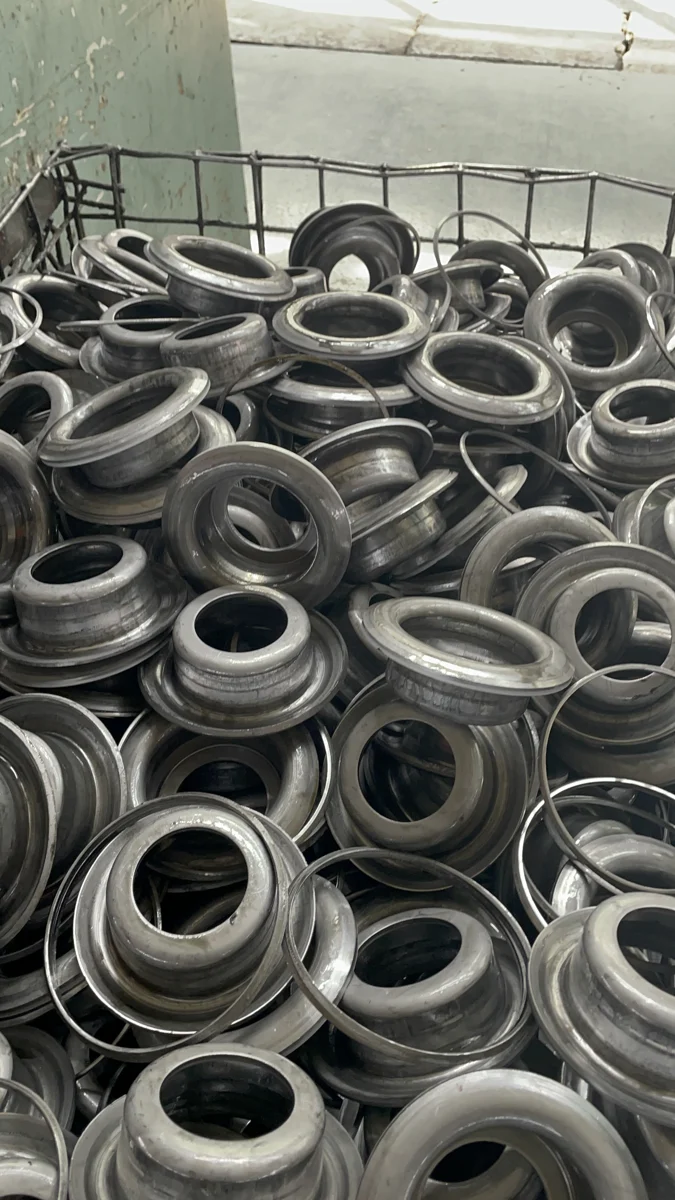
Label the housing series, bearing reference and any supplied seal components individually. The TK-II reference lists housing and seal information separately. Even where bearing ranges overlap, the seat geometry, shaft detail and supplied configuration still require confirmation. State whether the sample contains a bare housing, loose seal pieces or a proposed matched set. Do not infer a protection rating from the number of seal parts.
Use the approved drawing as the measurement record
List the features to inspect and the applicable drawing dimensions and tolerances. Depending on the design, the review may include bearing seat geometry, profile, tube fit and housing thickness. Identify the agreed measurement method and record the actual result beside its requirement. When a used or worn component is the starting point, distinguish a sample measurement from an original design value. Resolve missing tolerances with the responsible technical contact rather than inventing them.
Document fit observations without turning them into a rating
If a fit or assembly check forms part of the agreed review, record the identified mating parts and the conditions used. Note what was observed and what was not assessed. A successful trial assembly by itself does not establish load capacity, operating speed, ingress protection, service life or compliance with a standard. Where application testing is required, agree its scope and acceptance criteria separately before ordering.
Record the decision and any remaining conditions
An approval record should identify the sample, drawing revision, checked features, supporting photographs, reviewer and review date. State whether it is approved for the agreed scope, requires correction or remains on hold. List open questions explicitly. If a drawing or material requirement changes after review, agree whether another sample or additional checks are necessary. Do not leave a revised requirement only in an informal message while the order still names an earlier drawing.
Carry the agreement into the purchase order
Reference the agreed drawing and sample record in the order and confirm quantities, material requirements, supplied components, packaging and required inspection documents. Sample approval and batch acceptance are different steps: agree the actual batch inspection scope, methods and records in writing. The receiving checklist covers identification and visible delivery checks. Use the Sunwarm manuals for selection context and contact Sunwarm to discuss the drawing and supply scope.